

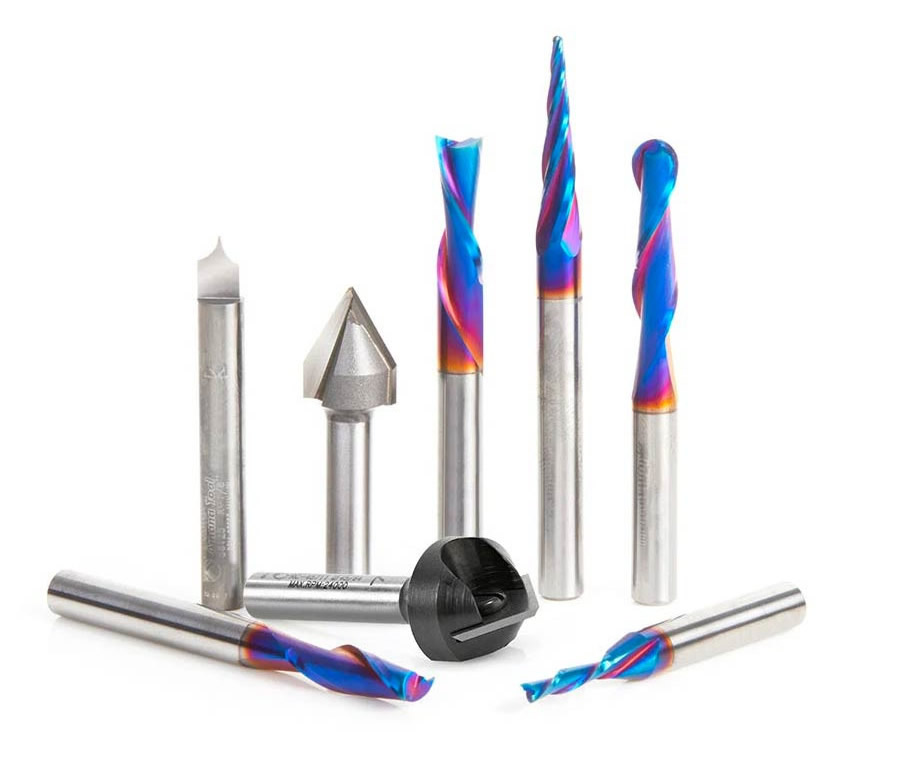
Choosing the right CNC tooling can make a major difference in your production quality, efficiency, and overall costs. Whether you’re working with wood, plastic, or metal, the wrong bit can slow you down, damage materials, and lead to frequent replacements.
In this guide, we’ll break down the differences between CNC bits, CNC router bits, and CNC drill bits for steel—and how to make the right choice for your application.
Understanding CNC Bits
CNC bits is a broad term that covers a wide range of cutting tools used in CNC machines. These tools are designed for precision cutting, shaping, and drilling across different materials.
The key is matching the right bit to your material and machine setup. Factors like cutting speed, material hardness, and desired finish all play a role in selecting the right tool.
CNC Bits for Metal
Machining metal requires a completely different approach compared to wood or plastic. CNC bits for metal are built to handle higher temperatures, increased resistance, and tighter tolerances.
If you’re working with materials like steel or aluminum, using the wrong bit can lead to:
- Premature tool wear
- Poor surface finish
- Excessive heat buildup
- Tool breakage
That’s why selecting tooling specifically designed for metal applications is critical for long-term performance and cost efficiency.
CNC Router Bits for Wood and Composites
CNC router bits are typically used for woodworking, plastics, laminates, and composite materials. These bits are optimized for clean cuts, smooth edges, and efficient material removal.
Common applications include:
- Cabinet and furniture production
- Sign making
- Plastic fabrication
- Composite cutting
Over time, even high-quality router bits will dull. Instead of constantly replacing them, many shops choose to sharpen their tooling to restore performance and reduce costs.
If your tooling is no longer cutting cleanly, you can learn more about CNC router bit sharpening here.
CNC Drill Bits for Steel
When drilling into steel, precision and durability are essential. CNC drill bits for steel are engineered to maintain accuracy while handling the stress of harder materials.
The right drill bit can help you:
- Improve hole accuracy
- Reduce tool breakage
- Increase production efficiency
- Maintain consistency across jobs
Using general-purpose bits for steel often leads to inconsistent results and higher long-term costs.
Why Tool Holding Matters: Hydraulic Holders
Even the best cutting tool can underperform if it’s not held properly. A hydraulic holder for CNC machining provides superior clamping force and improved precision.
Benefits of hydraulic holders include:
- Better runout control
- Reduced vibration
- Improved surface finish
- More consistent cutting performance
For shops focused on high-precision work, upgrading your tool holding system can have a significant impact on results.
Reduce Costs with the Right Strategy
Many shops focus only on buying new tooling, but the real opportunity is in optimizing your entire process. This includes:
- Selecting the right tool for each material
- Using proper tool holding systems
- Maintaining and sharpening existing tooling
A smart tooling strategy can reduce downtime, extend tool life, and improve production output.
Get the Right CNC Tooling for Your Application
If you’re unsure which tooling is best for your machine or material, getting expert input can save you time and money.
For more information on CNC bits, CNC router bits, CNC drill bits for steel, and hydraulic holders, visit our main page here:
You can also explore sharpening services to extend the life of your tools here:
Final Thoughts
The difference between average results and high-quality production often comes down to your tooling. Investing in the right CNC bits, drill bits, and holders—and maintaining them properly—can have a major impact on your efficiency and bottom line.
If you’re looking to improve performance, reduce costs, or upgrade your tooling setup, now is the time to take a closer look at your current process.