

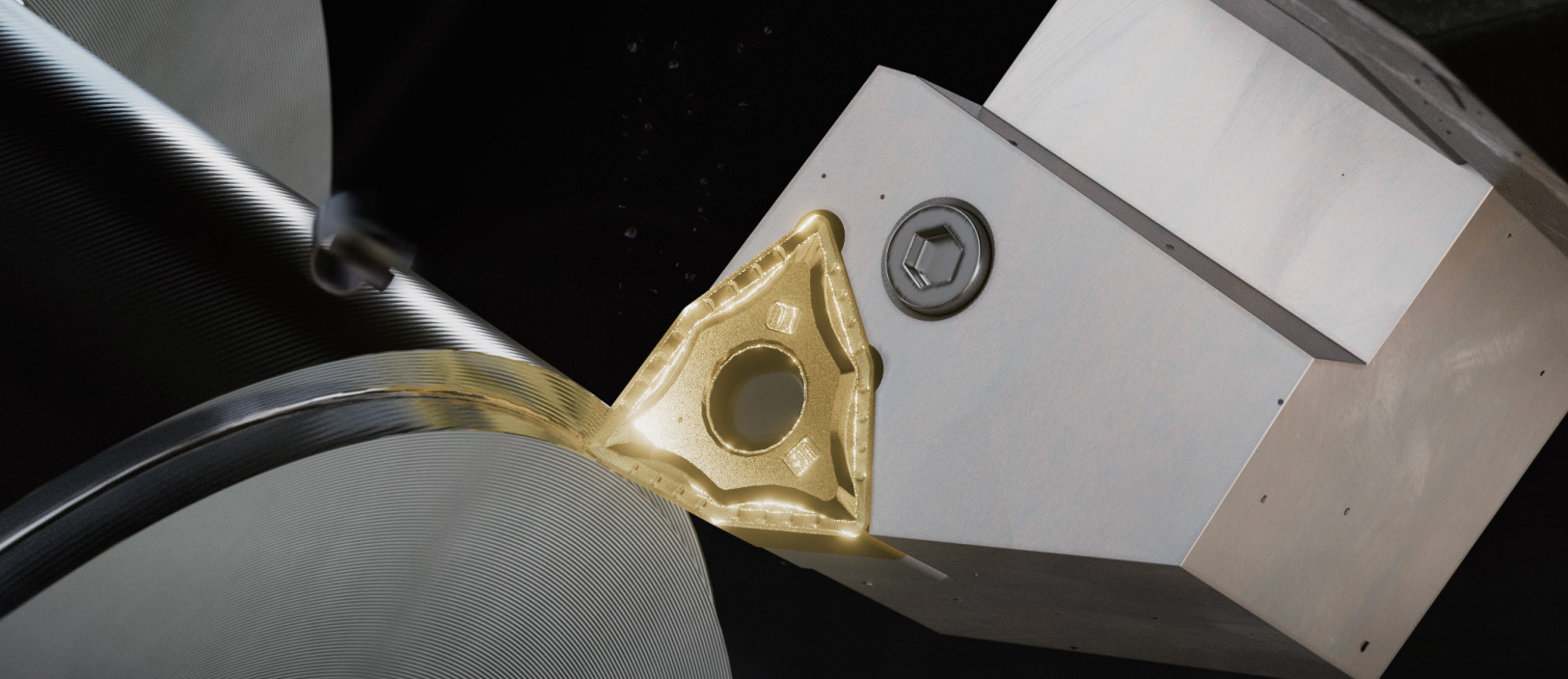
New! Order YG1 Indexable Inserts Online Now
Indexable inserts have transformed modern machining by making cutting tools more efficient, economical, and versatile. Instead of replacing an entire cutting tool when the edge becomes dull, manufacturers simply replace or rotate a small insert to expose a new cutting edge. This simple concept has dramatically reduced tooling costs, minimized machine downtime, and improved productivity across countless manufacturing industries.
Whether you’re machining steel, aluminum, stainless steel, plastics, or exotic alloys, indexable inserts provide the precision and durability needed to maintain consistent results while maximizing tool life.
What Is an Indexable Insert?
An indexable insert is a precision-engineered cutting tip that attaches to a reusable tool holder. Instead of sharpening the cutting edge after it wears out, the insert can simply be rotated—or indexed—to another unused edge. Once every edge has been used, only the insert is replaced while the tool holder remains in service.
Most indexable inserts are manufactured with multiple cutting edges, allowing a single insert to perform several machining cycles before replacement.
Because the tool holder stays in the machine, insert changes are quick and require little setup, making them ideal for high-production manufacturing environments.
How Do Indexable Inserts Work?
Every insert fits into a precisely machined pocket on a tool holder. The insert is secured using screws, clamps, wedges, or specialized locking mechanisms that prevent movement during machining.
As the cutting edge wears:
- The operator loosens the retaining screw or clamp.
- The insert is rotated to a fresh cutting edge.
- The insert is secured back into position.
- Machining resumes with minimal interruption.
This process typically takes only a few minutes and often requires little or no tool offset adjustment, helping maintain production efficiency.
Materials Used in Indexable Inserts
The performance of an insert largely depends on the material from which it is manufactured.
Carbide Inserts
Solid carbide remains the most common insert material due to its excellent balance of hardness, wear resistance, and toughness. Carbide performs exceptionally well in most turning, milling, and drilling operations.
Ceramic Inserts
Ceramic inserts excel in high-speed machining and can withstand extremely high temperatures. They are frequently used for hardened steels and cast iron where cutting speeds are significantly higher than carbide.
Cermet Inserts
Cermets combine ceramic and metallic materials to produce outstanding surface finishes while maintaining excellent wear resistance. They are often selected for finishing operations.
CBN Inserts
Cubic Boron Nitride (CBN) inserts are designed for machining hardened steels and other difficult materials. Their exceptional hardness allows them to replace grinding operations in many applications.
PCD Inserts
Polycrystalline Diamond (PCD) inserts provide unmatched performance when machining aluminum, composites, plastics, graphite, copper, and other non-ferrous materials. They offer extremely long tool life and outstanding surface finishes.
Common Insert Shapes
Different machining applications require different insert geometries. Some of the most popular shapes include:
- Square inserts for heavy-duty roughing
- Triangle inserts that provide multiple cutting edges
- Diamond inserts for precision finishing
- Round inserts for interrupted cuts and high-strength applications
- Octagonal inserts that maximize the number of usable cutting edges
Each geometry affects strength, chip control, accessibility, and overall cutting performance.
Insert Coatings Improve Performance
Modern inserts are often coated with advanced materials that enhance durability and cutting efficiency.
Popular coatings include:
- Titanium Nitride (TiN)
- Titanium Carbonitride (TiCN)
- Titanium Aluminum Nitride (TiAlN)
- Aluminum Oxide (Al₂O₃)
These coatings reduce friction, improve heat resistance, extend insert life, and allow for faster cutting speeds.
Advantages of Using Indexable Inserts
Lower Tooling Costs
Instead of replacing an entire cutting tool, manufacturers replace only the worn insert. This significantly reduces tooling expenses over time.
Faster Tool Changes
Insert replacement takes only minutes, minimizing machine downtime and increasing spindle utilization.
Improved Productivity
Multiple cutting edges allow operators to quickly continue machining without sending tools out for resharpening.
Consistent Accuracy
Because inserts are manufactured to extremely tight tolerances, every replacement delivers predictable cutting performance and repeatable dimensions.
Wide Material Compatibility
Manufacturers can choose insert grades specifically designed for steel, stainless steel, cast iron, aluminum, titanium, plastics, composites, and many other materials.
Increased Safety
Replacing a small insert is generally safer and faster than handling large cutting tools during maintenance.
Typical Applications
Indexable inserts are found throughout nearly every manufacturing industry.
Turning
Lathe operations use inserts to remove material from rotating workpieces with exceptional precision.
Milling
Face mills, shoulder mills, and high-feed cutters all rely on indexable inserts for efficient metal removal.
Drilling
Many modern indexable drills use replaceable inserts that dramatically reduce drilling costs while improving hole quality.
Boring
Boring bars equipped with inserts produce highly accurate internal diameters.
Threading
Specialized threading inserts create internal and external threads without requiring dedicated taps or dies.
Grooving and Parting
Indexable grooving inserts provide clean grooves and accurate cutoff operations with minimal waste.
Industries That Depend on Indexable Inserts
Manufacturers across numerous industries rely on indexable tooling every day, including:
- Aerospace
- Automotive
- Medical device manufacturing
- Tool and die shops
- General machining
- Mold manufacturing
- Heavy equipment production
- Energy and oilfield manufacturing
- Woodworking and composite fabrication
Their ability to deliver consistent results while reducing operating costs makes indexable inserts an essential component of modern manufacturing.
Choosing the Right Indexable Insert
Selecting the proper insert involves several factors, including:
- Workpiece material
- Machine horsepower
- Cutting speed
- Feed rate
- Depth of cut
- Required surface finish
- Chip control requirements
- Tool holder compatibility
Using the correct insert grade and geometry can significantly increase productivity while extending tool life.
The Future of Indexable Tooling
As machining technology continues to evolve, manufacturers are introducing advanced insert geometries, improved carbide grades, and next-generation coatings that deliver longer tool life and higher cutting speeds. Combined with CNC automation and smart machining systems, indexable inserts continue to play a central role in increasing efficiency, reducing waste, and improving manufacturing precision.
Indexable inserts have become one of the most important innovations in modern machining. Their replaceable cutting edges, exceptional durability, and wide range of materials and geometries allow manufacturers to produce high-quality parts while minimizing downtime and reducing tooling costs. Whether used for turning, milling, drilling, threading, or boring, indexable inserts help shops achieve greater productivity, longer tool life, and more consistent machining performance across virtually every industry.
Need help choosing the right indexable inserts?
Contact General Cutting Tools today for expert recommendations, competitive pricing, and fast delivery on premium indexable inserts for your machining applications.